Olívio Ramos
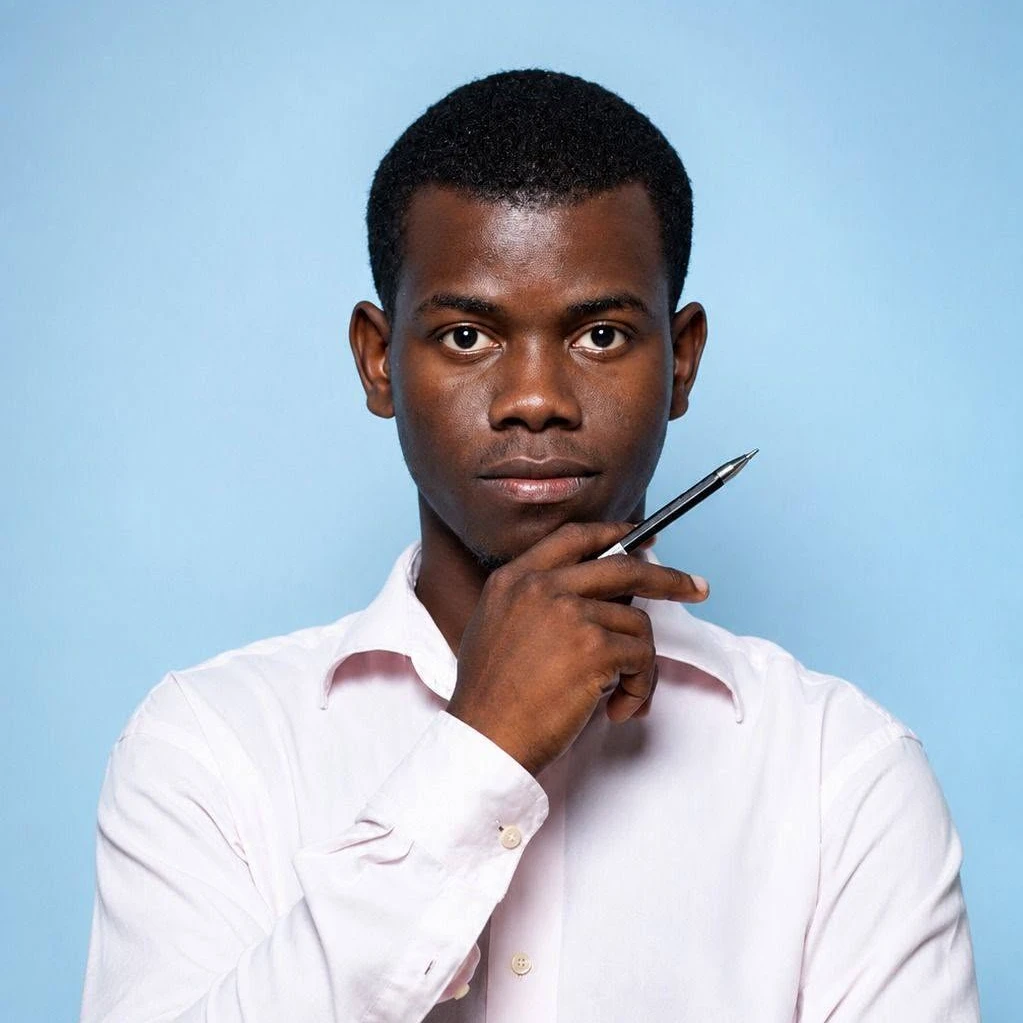
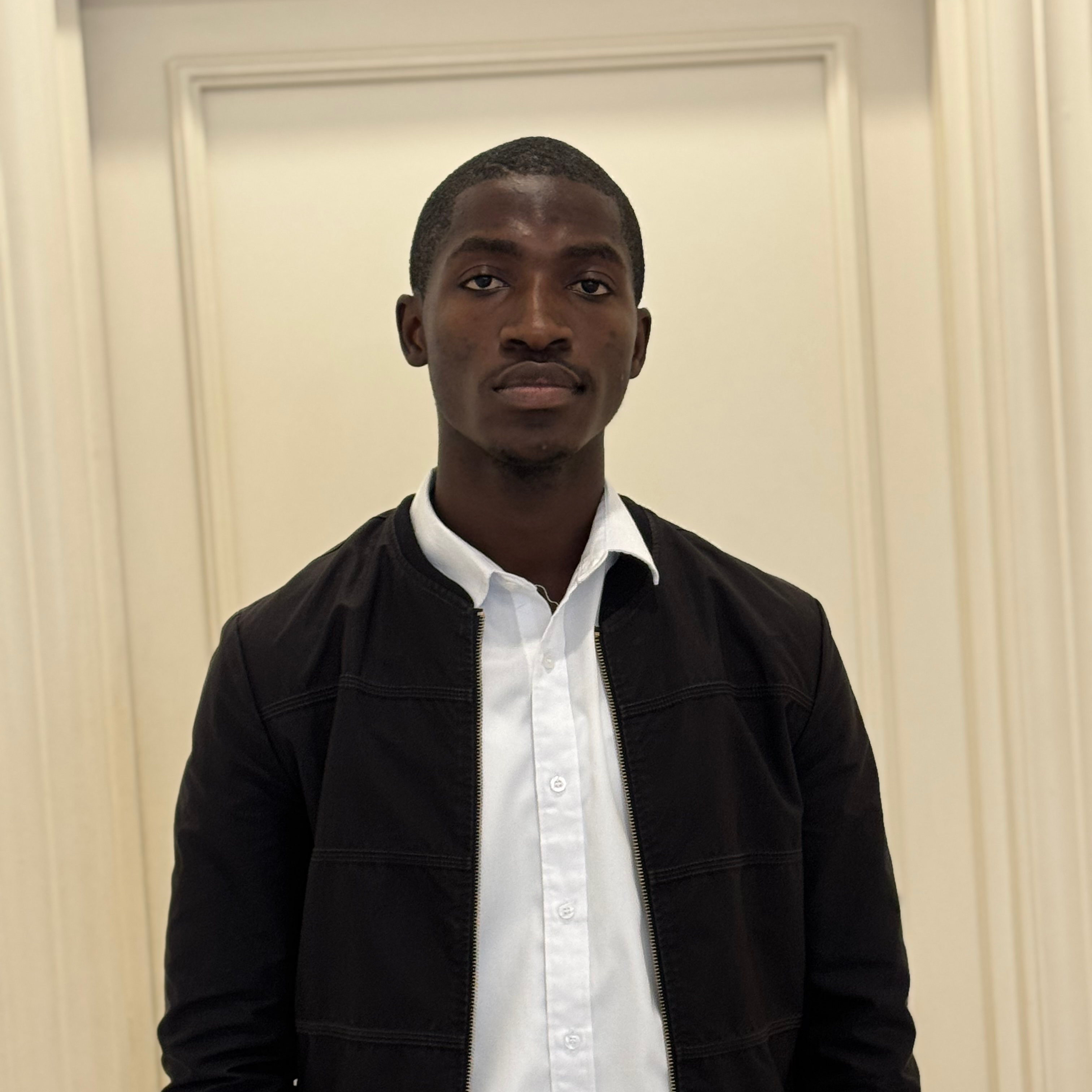
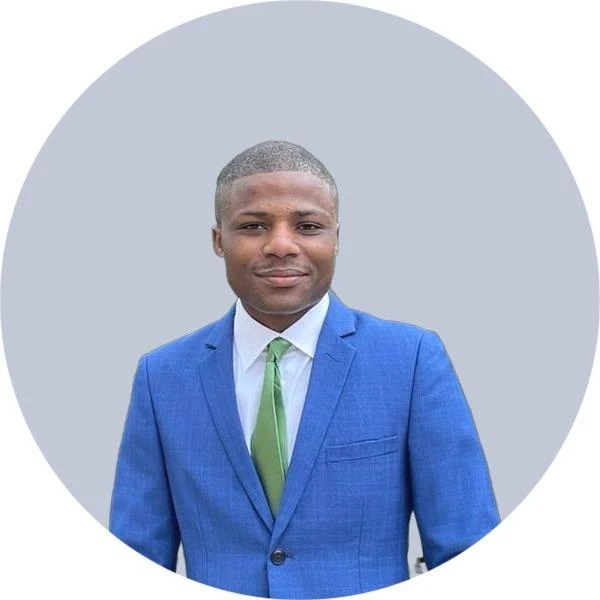
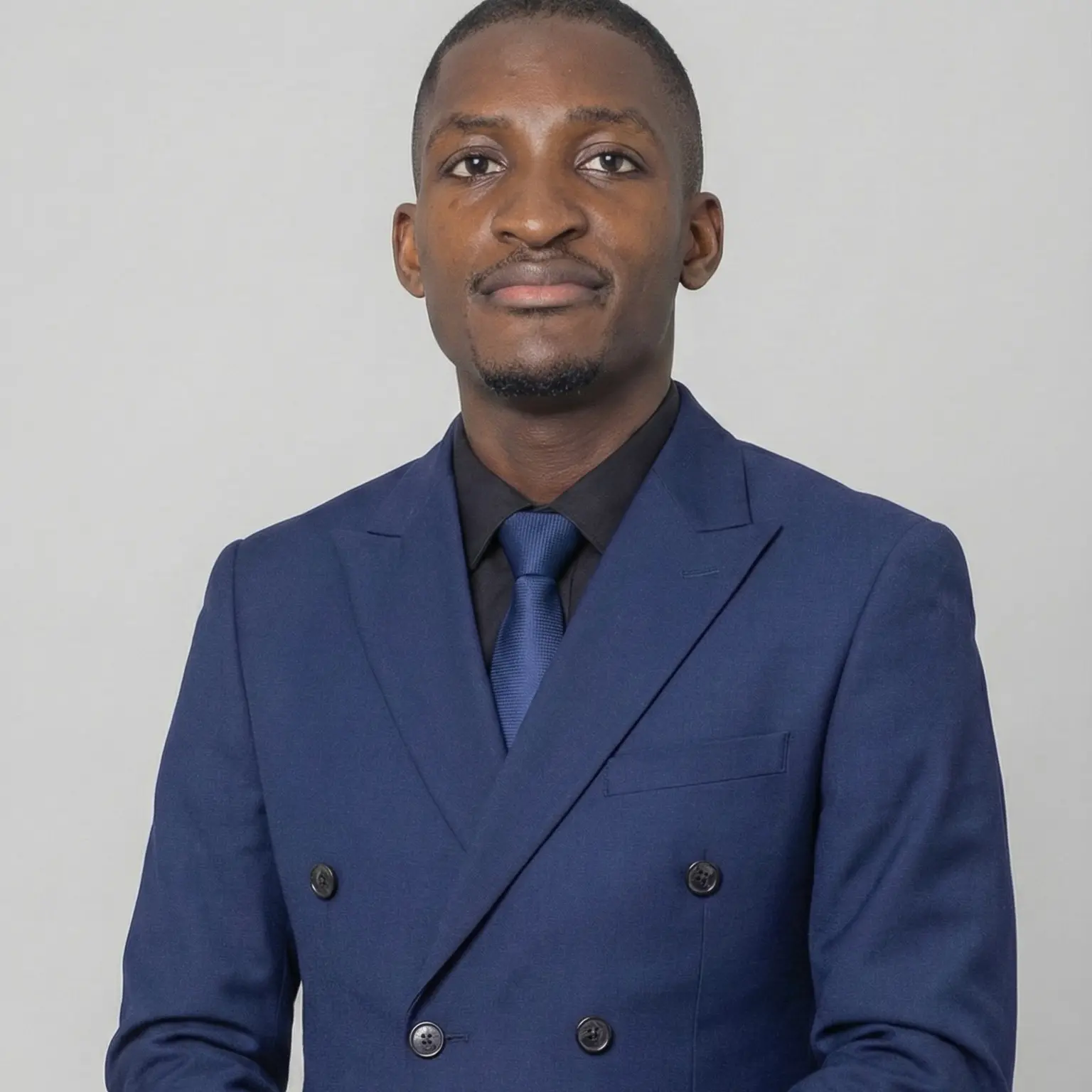
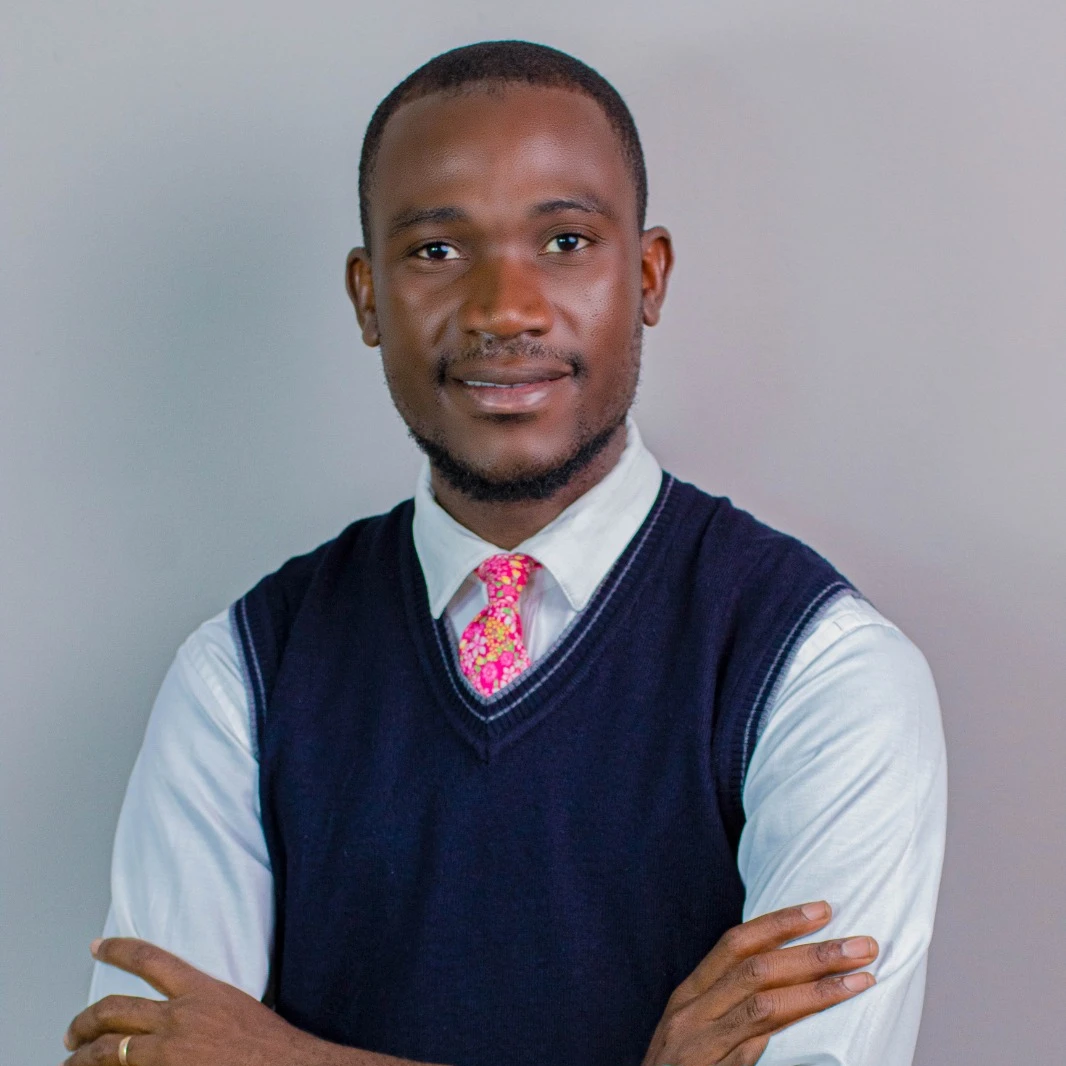
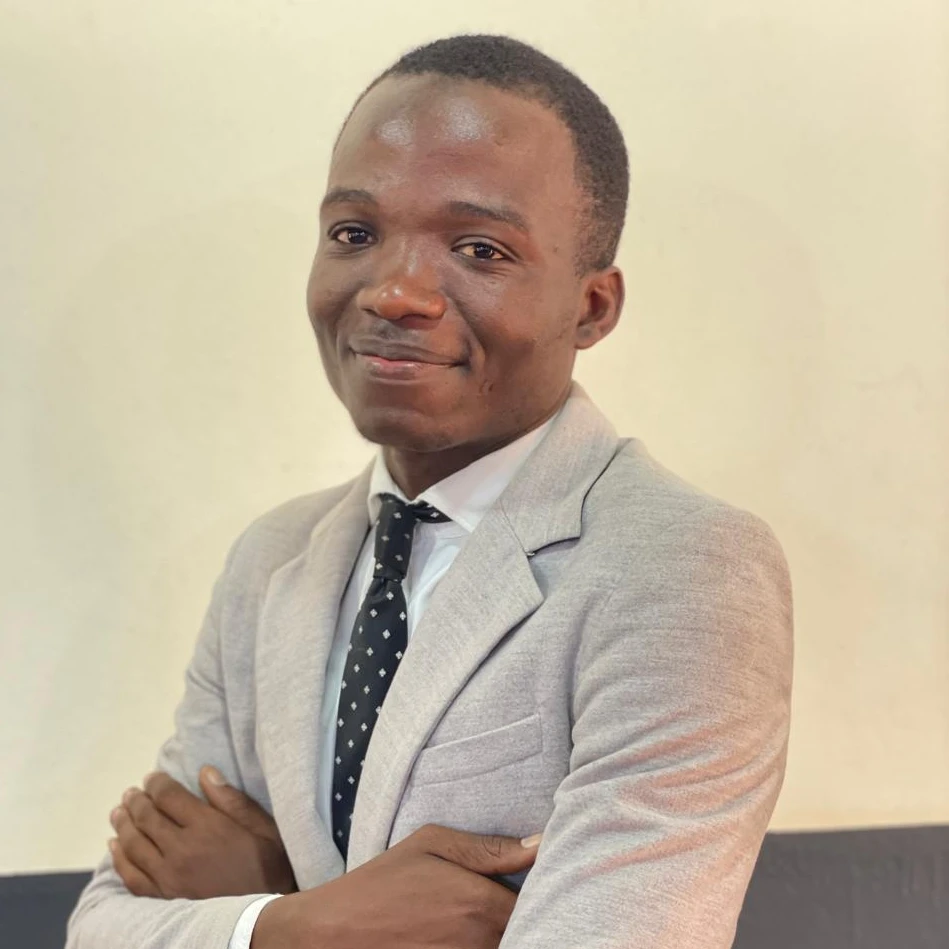
Olívio Ucetana Simão Ramos, a professional in the fields of Education, Languages, and Administration, is a teacher of Portuguese and English languages, a translator, and an active advocate for the promotion of teaching and academic training in Angola.
His academic journey began at Magistério Mutu Ya Kevela, where he specialized in Primary Education, developing fundamental knowledge and skills in pedagogy, didactics, and teaching methodologies. Subsequently, he pursued higher education at the Catholic University of Angola (UCAN), in the Faculty of Human Sciences, studying Languages and Administration, further deepening his interest in language sciences, communication, and management.
Professionally, he has engaged in activities related to teaching, translation, and language training, with a particular focus on teaching Portuguese and English. He possesses advanced proficiency in English, corresponding to the C1 level, and basic knowledge of French, skills that enhance his ability to communicate and interact in diverse linguistic and cultural contexts.
He also serves as the Pedagogical Director of the Academia Aliança Renascimento, an educational project aimed at promoting knowledge, developing skills, and valuing human and academic training. In this role, he participates in pedagogical coordination, organizing training activities, and promoting initiatives that contribute to the quality of the teaching and learning process.
In the field of student leadership, he holds the position of President of the Commission of the Faculty of Human Sciences at the Catholic University of Angola, actively representing students, fostering academic, cultural, and sports initiatives, and strengthening the spirit of university community.
Throughout his career, he has shown a particular interest in communication, scientific research, translation, education, and human development. He believes that teaching is not just about transmitting knowledge but also about awakening abilities, stimulating critical thinking, and contributing to the formation of autonomous, aware individuals prepared to face society's challenges.
His vision of education is based on a fundamental conviction: knowledge should not be limited to the acquisition of content; it must transform the way we think, communicate, and engage with the world.